
Field guide
Mango tree diseases, diagnosed
Two fungal diseases cause most of the damage to mango trees worldwide: anthracnose and powdery mildew. Both can take your flowers, your fruit, or your whole harvest — and both are manageable if you catch them early and act on a schedule.
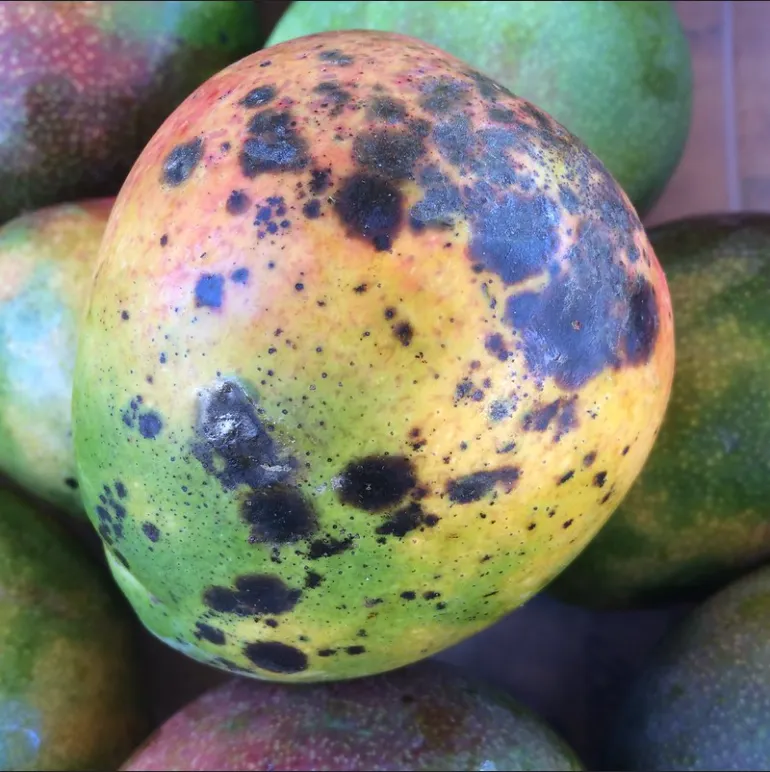
Anthracnose
The black-spot disease — the most damaging mango disease in humid climates.
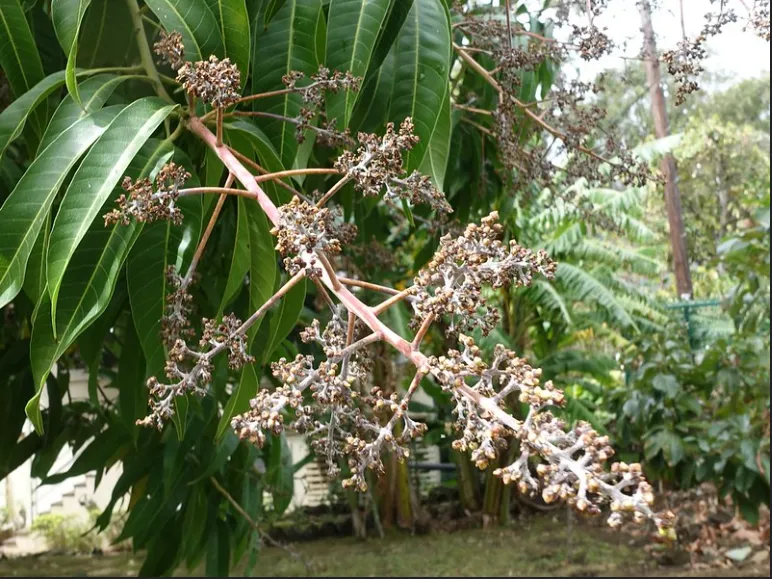
Powdery Mildew
The white-coating disease — thrives in dry weather and can wipe out a bloom.
Not sure which one you have?
Photograph the sick leaf and let the Mango Atlas AI scanner narrow it down — then come back here for the treatment plan.
The playbook
Integrated disease management
The most effective approach combines cultural, biological, and chemical controls:
- Prevention first. Maintain tree health through proper pruning, sanitation, and balanced fertilization.
- Monitor regularly. Check trees weekly during flowering and fruit development for early disease signs.
- Timely treatment. Apply fungicides preventively before disease becomes severe, especially during the critical flowering period.
- Rotate products. Alternate between copper, sulfur, and biological fungicides to prevent resistance.
Recommended spray schedule
| Pre-bloom | Apply copper fungicide when flower buds begin to swell. |
|---|---|
| Full bloom | Spray every 7-10 days during flowering with copper or sulfur. |
| Fruit set | Continue sprays every 10-14 days as fruit develops. |
| Rainy periods | Increase frequency to every 5-7 days during wet weather. |
Safety notes
- Always read and follow pesticide label instructions
- Wear appropriate protective equipment when spraying
- Observe pre-harvest intervals before picking fruit
- Do not spray during windy conditions
- Store all chemicals safely away from children and pets
Information compiled from University of Florida IFAS Extension, University of Hawaii CTAHR, international mango disease research, and integrated pest management guidelines. Photos: Scot Nelson, University of Hawaii CTAHR (CC0).